How a New $3.2M BART Access Upgrade Is Making Downtown Lafayette Even More Walkable
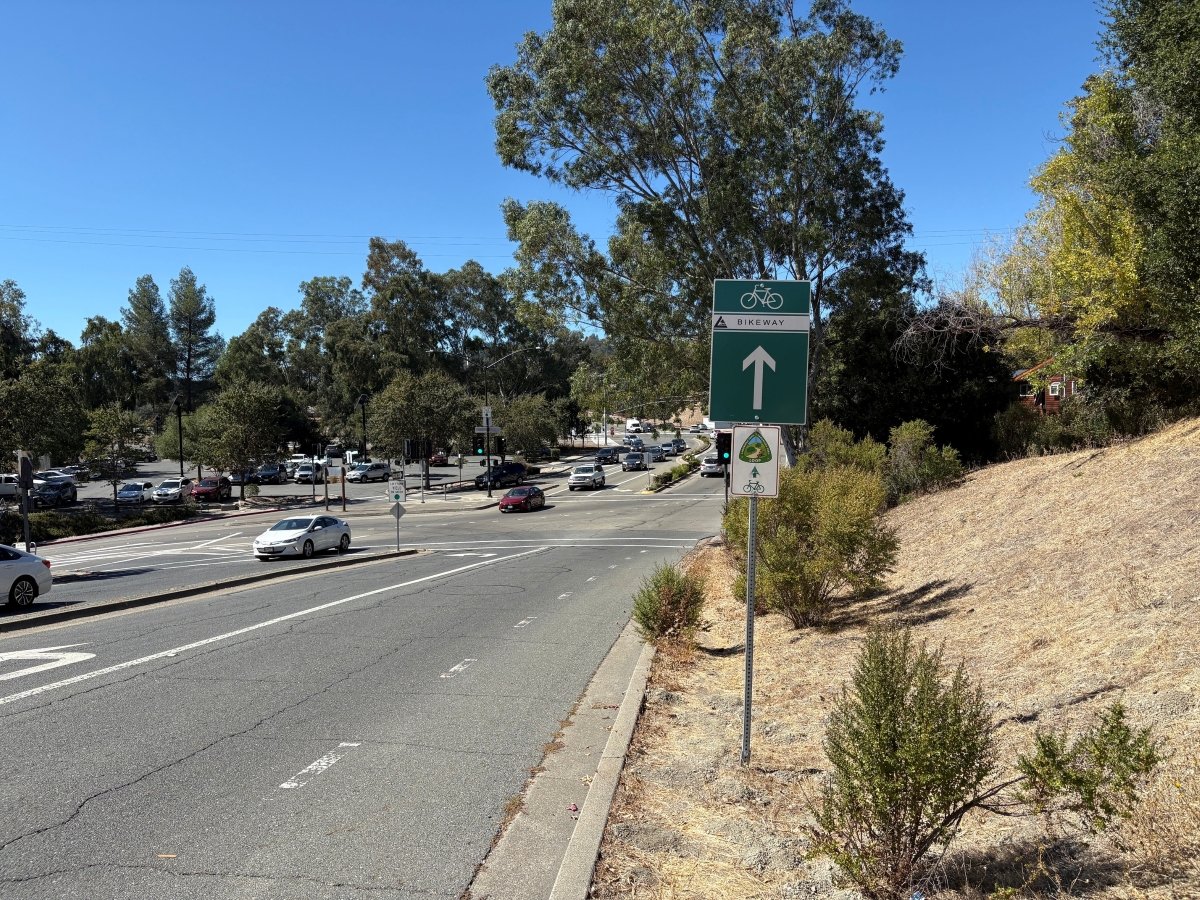
If you've driven past the Lafayette BART station lately, you've probably noticed the construction fencing, the reshuffled parking in Lot A, and the steady progress on what locals have been waiting years for: a genuinely safe, ADA-compliant way to walk or bike from downtown Lafayette to the station. Here's what's happening, why it's taken over a decade to get here, and what it means if you're thinking about buying — or selling — in Lafayette.
The Project at a Glance
The BART Bike Station/Pathway Project is a joint effort between the city of Lafayette CA and BART aimed at transforming the south entrance of the Lafayette BART station. When finished, it will include:
- A new ADA-compliant shared-use pathway connecting the BART station to the existing Town Center pathway and downtown core
- A secure, unattended bike station with parking for up to 82 bicycles
- A new public plaza designed as a community gathering space, with a suspended art installation
- A reconfigured passenger vehicle turnaround, plus new lighting, landscaping, and drainage improvements
Lafayette awarded the $2.59 million construction contract to Integra Construction Services in October 2025, with total project costs — including design and other components — estimated at $3.2 million. Funding comes primarily from Contra Costa County's Measure J transportation sales tax and BART's Measure RR bond program.
Construction Timeline: Where Things Stand
Construction broke ground at the end of February 2026, closing roughly 50 of the reserved parking spaces in Lot A while pedestrian and bike access was maintained around the site. The project was originally targeted for a summer 2026 completion. As of the city's most recent update in early September, crews were still working through demolition and curb formwork, so the timeline has slipped a bit past that original summer target — worth keeping an eye on if you're timing a move around it.
A Decade in the Making
This project has deep roots. Planning began back in 2014, during review of the Town Center condominium development. As a condition of approval, that project's developers were required to widen and resurface a narrow, unimproved pathway near BART — work completed in 2018. But the final connecting segment between downtown and the station remained unimproved and out of ADA compliance for years afterward, which is exactly the gap this current project closes.
The Bigger Picture: Connecting to the Aqueduct Pathway
This isn't happening in isolation. The city of Lafayette CA has also secured $3.7 million in state funding to build a segment of the planned Aqueduct Pathway - a fully separated, car-free walking and biking trail running through downtown Lafayette parallel to Mt. Diablo Boulevard, BART, and Highway 24. The BART Bike Station project was specifically designed to align with this future connection, linking neighborhoods, downtown businesses, and regional transit into one continuous route. That segment (between Dolores Drive and BART) isn't slated for construction until 2029, but it signals a long-term commitment to making Lafayette one of the more bike - and pedestrian-friendly communities in Contra Costa County.
Why This Matters If You're Buying or Selling in Lafayette
For anyone weighing a move to Lafayette, easy, low-stress BART access is a real differentiator — and it's about to get better. A safer, more attractive walk or bike commute to the station means:
- Stronger appeal for commuters who want to ditch the car for trips into San Francisco or Oakland
- Added value for downtown-adjacent homes, where walkability to transit is already a premium feature
- Alignment with planned housing growth downtown, as the city of Lafayette CA has explicitly designed this pathway to support new residential development with safe first- and last-mile transit connections
- A more vibrant downtown core, with the new plaza adding public gathering space right at the BART entrance
Combined with the future Aqueduct Pathway, Lafayette CA is investing seriously in the kind of car-free, transit-connected infrastructure that buyers increasingly look for — and that tends to support long-term property values near the station.
Have questions about how this project — or Lafayette's downtown development more broadly — could affect your home search or your home's value? Reach out anytime.