For a sport known for its friendly, backyard-game vibe, pickleball just tore a Bay Area city apart.
In March 2026, the Martinez City Council voted 4-0 to permanently shut down the Hidden Valley Sports Courts - just over a year after they opened - capping a fight that pitted neighbors against players, pulled in an acoustical engineer, and left the city with zero public pickleball courts.
From Ribbon-Cutting to Shutdown
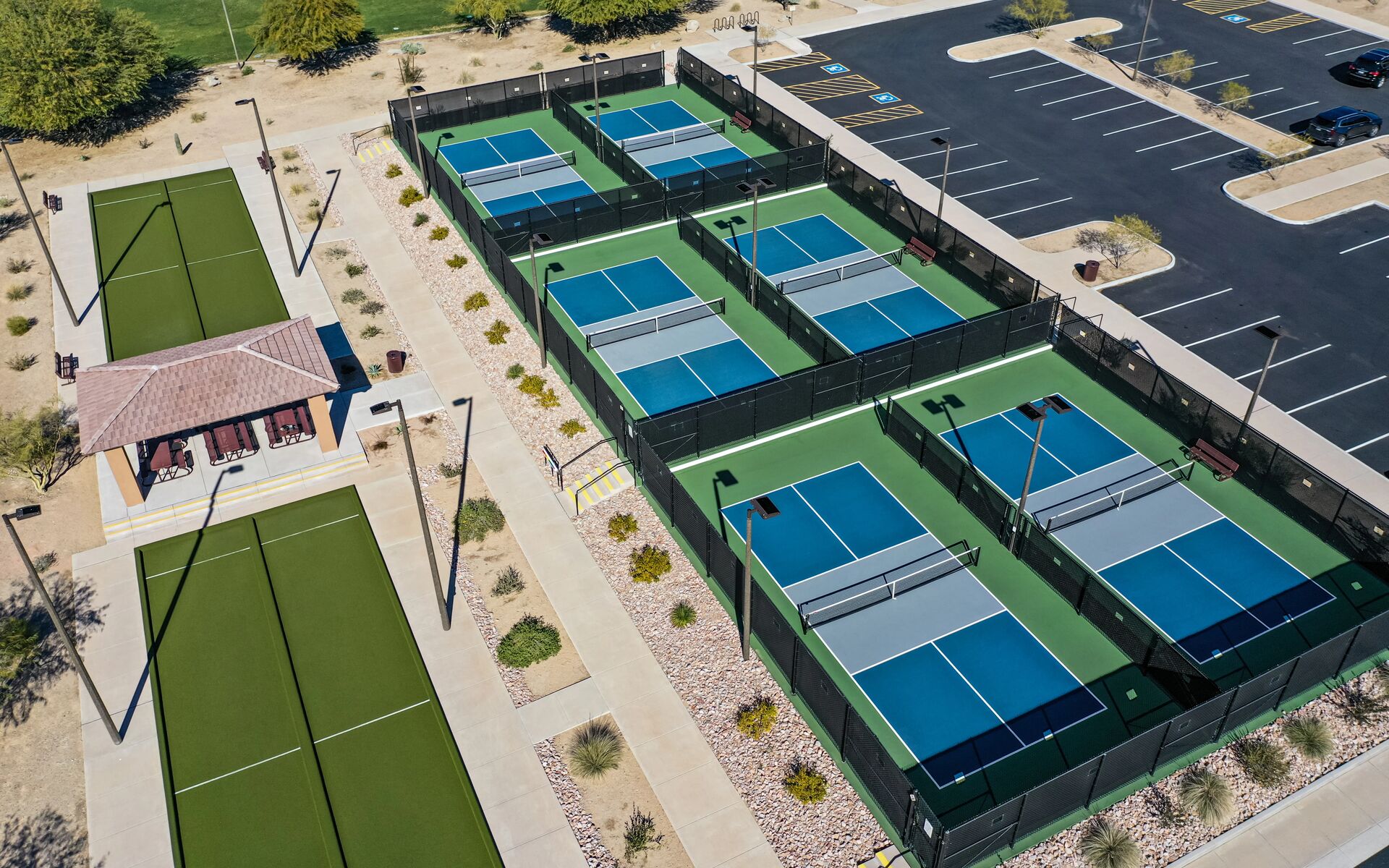
The eight courts, converted from aging tennis courts, opened in February 2025 with a $1.7 million price tag, mostly covered by federal grant money. They sat in a residential pocket across Center Avenue from the larger Hidden Valley Park, with some homes as close as 50 to 100 feet away.
That proximity turned out to be the whole problem. Almost as soon as the courts opened, they became genuinely popular - and that popularity is exactly what did them in. Neighbors started reporting noise, packed street parking, and trash from the crowds the courts drew. By September 2025, the city had already responded by cutting back the hours and days the courts could be used. It didn't work. The city says players kept breaking in to play during closed hours anyway.

The Case for Closing: Surveys, Sound Engineers, and a Council Vote
City staff didn't rely on complaints alone. Last fall, they sent a survey to residents living within 500 feet of the courts, and the results were stark: more than 40% of respondents said pickleball activity there had negatively affected them. The comments were pointed. One resident wrote that the sound of paddles hitting balls "most likely exceeds what is allowed in the municipal code," and called for immediate, permanent closure.
At the public meeting where the council took up the issue, testimony got personal. One resident described parties at the courts involving alcohol, smoking, loud noise, and people ignoring posted hours, telling the council he deserved "the right to peace and privacy" without it sounding "like a gun range peppered with profanity." Another neighbor told a Bay Area TV station he'd taken to shutting all his windows and playing music just to block out the sound, calling the situation "almost like torture."
The city also commissioned an independent acoustical engineer who specializes in pickleball noise - a niche that exists because this exact conflict has played out in communities nationwide. The engineer's conclusion: no feasible mitigation could adequately fix the noise problem given how close the courts sat to homes. A staff report backed that up with a number worth remembering if you're a city planner: some municipalities require at least 300 feet of buffer between pickleball courts and residences. Martinez's courts had, at most, a third of that.
The report also flagged something cities increasingly worry about - litigation risk. Councilmember Satinder Malhi, whose district includes the courts, said he'd long supported pickleball in Martinez but acknowledged the city was facing possible lawsuits over the ongoing noise.
Not Everyone Wanted Them Gone
But the players weren't at all silent either. One argued that pickleball is accessible, family-friendly, and has exploded in popularity for good reason - as a place to build community, not just exercise. Another resident pushed back on the closure itself, suggesting alternative fixes existed and calling the shutdown a waste of taxpayer money on a facility that had barely been open a year.
Councilmember Debbie McKillop summed up the council's dilemma: the city needs to find the right place for pickleball, she said, and acknowledged the current park site wasn't the ideal one.
What Happens Now
The council's 4-0 vote (the Mayor was absent from the meeting that night) triggered an immediate shutdown. Per the staff report, city crews began locking the current pickleball facility and removing its nets right after the vote passed. The adjacent tennis court and a renovated half-court basketball court remain open to the public.
For now, that leaves Martinez without a single free, public pickleball court - a notable gap next to its neighbors. Concord has 23 public courts, Walnut Creek has 10, and Pleasant Hill has 4. Anyone in Martinez who wants to play will need to drive.
The city hasn't abandoned pickleball entirely. Officials say the long-term repurposing of the Hidden Valley site - and where, if anywhere, new courts might go - will be folded into the city's upcoming Capital Improvement Program and Park System Master Plan update, both of which will include community engagement sessions in the months ahead.
A City with No Shortage of Claims to Fame
Pickleball drama aside, Martinez has never had trouble standing out. The city bills itself as the birthplace of the martini, supposedly invented as the "Martinez Special" by a local bartender back in 1849 - a claim San Francisco also makes - but Martinez wears proudly regardless.
It's also the boyhood home of Yankees legend Joe DiMaggio, born there in 1914.
For nearly a quarter century it was home to naturalist John Muir, whose house is now preserved as the John Muir National Historic Site.
Downtown Martinez still has the well-worn charm of a 19th-century Gold Rush shipping town, and the waterfront draws a different kind of sports crowd entirely: the Martinez Bocce Federation, one of the largest bocce leagues in the country, with more than 1,500 regular players across 15 courts.
The city has also gained some unlikely fame as home to a wild beaver colony that's taken up residence in Alhambra Creek since 2006, turning it into a small case study in urban stream restoration. Against that backdrop of martinis, baseball legends, and beavers, a bitter fight over paddle noise fits right into Martinez's long history of being a small town that somehow keeps making outsized news.
The Bigger Picture
Martinez isn't the first city to learn this lesson the hard way, and it won't be the last. Pickleball's popcorn-like pop - audible from far greater distances than tennis - has sparked near-identical fights in towns across the country, prompting the rise of specialists like the acoustical engineer Martinez hired. The takeaway for other cities eyeing pickleball conversions: distance from homes isn't a nice-to-have, it's the whole ballgame. Get it wrong, and even a wildly popular $1.7 million amenity can be gone within a year.