Marketing a home is not much different than marketing anything else as far as your mission is concerned. Basically, you want to reach as many people as possible in the shortest period of time and in the most efficient manner.
If holding an open house is the only thing you do to market your home, chances are that you will under-perform or worse, ultimately fail. To be worthwhile, an open house has to be part of a comprehensive, robust real estate marketing plan, not a substitute for one.
By the way, most of the Realtors I know, regardless of what they tell potential sellers, dislike holding open houses.
They view them as a waste of a Saturday, they complain about low turnout or how ‘only nosy neighbors came by,’ and they lament how the event sits smack in the middle of their weekend. Home sellers have their own complaints — being asked to leave their own house, the hassle of keeping it spotless so total strangers can wander through unannounced, and an often-overstated fear of theft or damage to their belongings.
What the Open House Statistics Really Say
Before deciding whether an open house is worth your weekend, it helps to look at what current data actually shows. Here’s the honest picture, based on the National Association of REALTORS®’s Profile of Home Buyers and Sellers.
Nearly all buyers, around 97%, use the internet at some point during their home search, and 52% say they found the home they ultimately bought online. In this electronic age, that makes sense.
Only about 4% of buyers say they ultimately found the home they purchased through a yard sign or open house sign, according to the 2024 edition of NAR’s buyer survey. In this electronic age, this is easy to believe. But this does not say they did not go to an Open House for the home they purchased.
Roughly four in ten buyers report attending at least one open house at some point during their search; they just rarely name it as the single deciding factor. The statistics are undermined by the difference between finding a home and ultimately buying that home.
Like most statistics, you shouldn’t take them individually and out of context. Let’s take these numbers — and the excuses built on top of them — one at a time.
Why Realtors (Quietly) Dread Open Houses
For Realtors, arguing that open houses are a waste of time is a bit like a farmer wishing the produce would pick itself, or a plumber offering to talk you through unclogging your own sink over the phone. Just because a visitor doesn’t buy the home on the spot doesn’t mean the visit wasn’t a useful part of the process.
Open houses can be a waste of everyone’s time — the Realtor’s, the owner’s, and the buyer’s — when they’re held reluctantly, or in the home of an apathetic, unconvinced seller.
In reality, an open house is one of the few times a seller actually gets to see their Realtor work. This is because so much of the marketing of a home is done out of sight at industry marketing meetings or phone calls to prospective clients.
Open houses only deliver real value when the Realtor and the seller both commit to making them successful. Done right, they add something to the sales process that simply can’t be replicated in any other medium — not photos, not a 3D walkthrough, not a listing description.
It doesn’t really matter, in the end, where a buyer’s home search begins. What matters is that it ends with the purchase of a home they’ll enjoy for years. Nobody ever bought a home because of a yard sign or a pretty listing photo — not even a slick virtual tour. They bought it because, at some point, they stood in the house, walked the neighborhood, and pictured themselves living there. An open house gives a buyer a one-on-one encounter with a home and its neighborhood that no other part of a real estate marketing plan can match.
Addressing the Theft and ‘Lookie-Loo’ Concerns Honestly
Two objections come up in almost every conversation about open houses: theft and unqualified visitors, sometimes called “lookie-loos.” Both deserve a fair hearing rather than a dismissal.
Security is a legitimate concern. With strangers moving through a home unsupervised, it’s worth taking the same precautions identity-theft and home-security experts recommend for any seller: put away jewelry, prescription medication, mail, and anything with personal identifying information before the sign goes up.
As for curious neighbors and casual visitors, they’re an accepted part of nearly every open house. The point is, you never really know who’s walking through the door or why.
In 35 years of real estate, I have never had a visitor damage anything at an open house. Not once. I keep an eye on guests, remind parents to keep children close to potentially dangerous pools and deck railings, and steer people away from anything fragile. But I’ve never had so much as a spilled candy dish.
A well-run open house gives a buyer a low-stress environment to take a real, unhurried look at a home on their own terms — a far more honest impression than a curated set of listing photos someone else chose for them.
How a Good Open House Actually Works
A good agent introduces themselves as the Realtor-host, lets the visitor know they’re available for questions, and — if it’s me — point out the things about the home the visitor might not already know or notice: something that makes it unique, a good value, and possibly a good fit for their family. Then I invite them to look around on their own. Sometimes it’s worth quietly tracking where a visitor lingers and watching for buying signals, but I never speak unless asked a direct question. The home does the talking. That’s who the visitor really came to hear from.
When a visitor leaves, I always thank them and invite them to reach out with any questions. Some are already working with their own agent, and while that particular visitor may not become a new client for the agent hosting the open house, it’s still a real opportunity for the seller — in a competitive market, every qualified visitor matters.
Neighbors deserve the same welcome. They know the area as well as anyone, and if they like what they see, they can become the best unpaid salesperson a listing ever had. Even the neighbor next door who leaves with a good impression of the home and the neighborhood is free word-of-mouth marketing.
A Seller’s Open House Prep Checklist
Now that the mindset is out of the way, here’s what actually helps a home make a strong first impression at an open house:
- Fresh paint, touched-up baseboards, and new lightbulbs go a long way for very little cost.
- No pets, pet bowls, or climbing posts during the showing — not everyone is a pet lover, and odors linger longer than you’d expect.
- Skip strong cooking smells and the old ‘bake bread’ trick; a subtle, unscented air freshener does more for more buyers.
- Clean means truly clean: no clutter, no laundry in view, beds made, and dishware put away.
- Bathrooms and laundry rooms are easy to forget — keep counters and appliances spotless and fragrant.
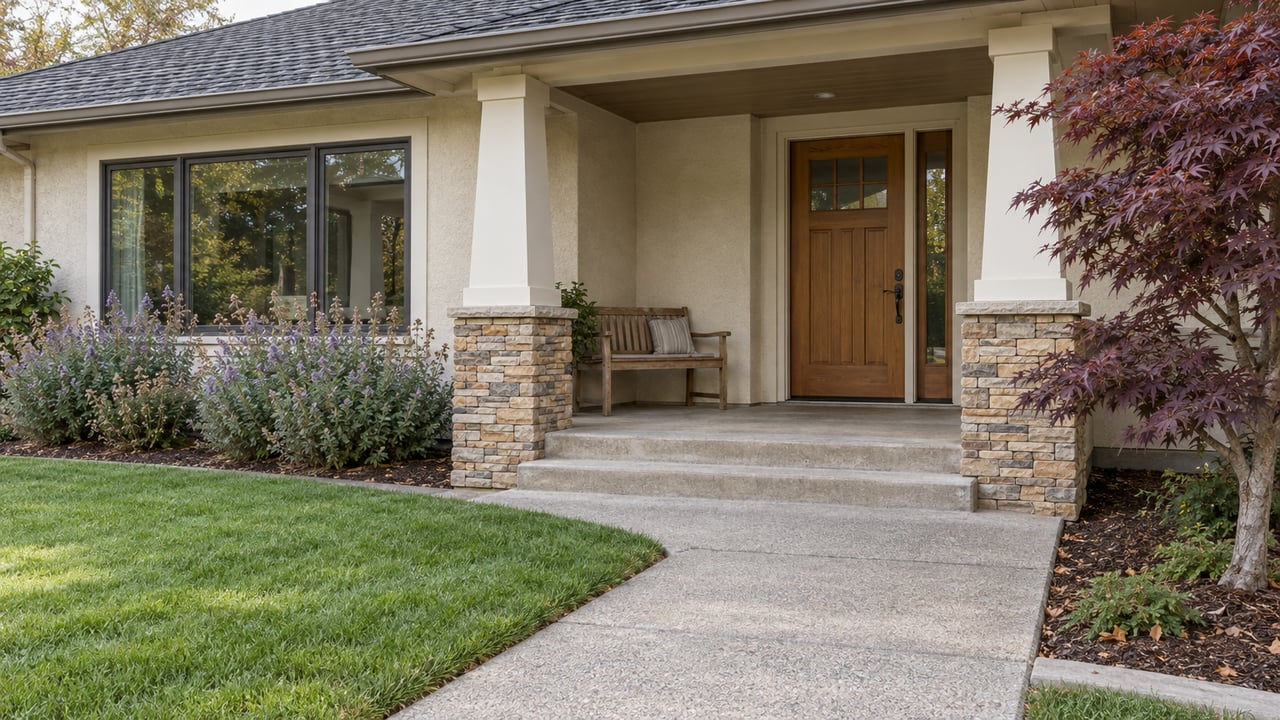
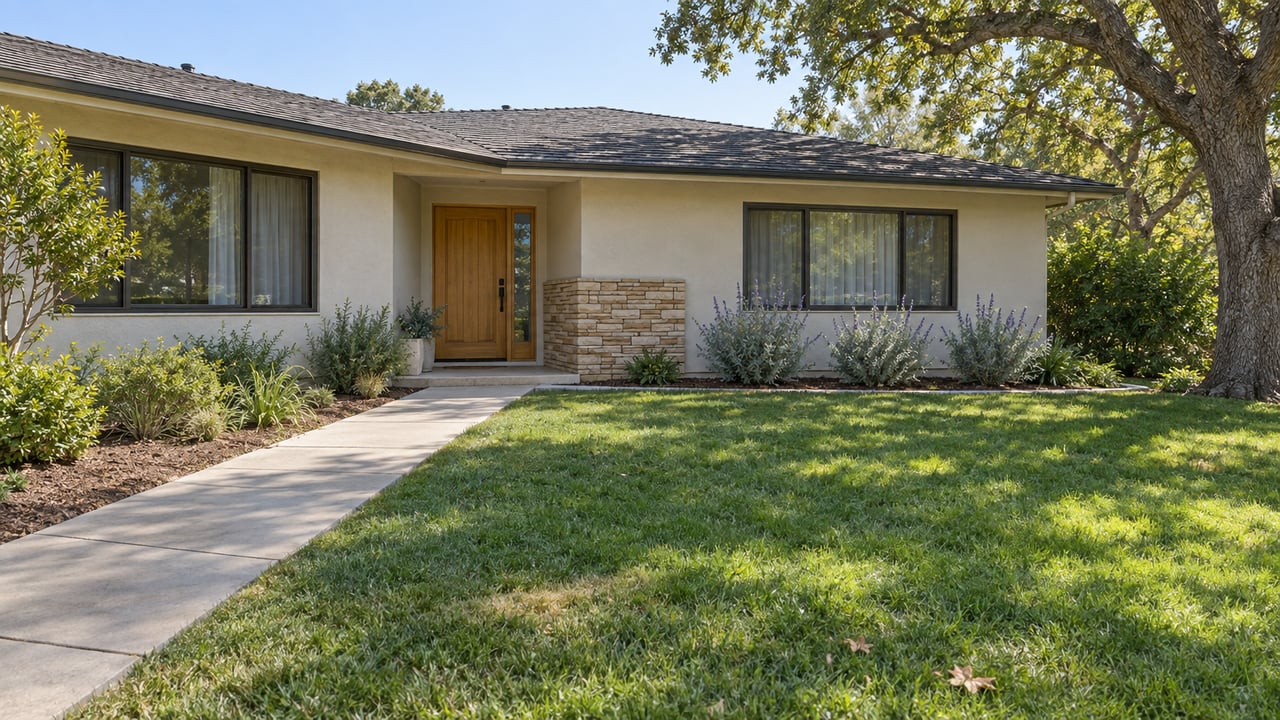
- Mow the lawn, pull the weeds, rake the leaves, and freshen the mulch — curb appeal is the buyer’s very first impression.
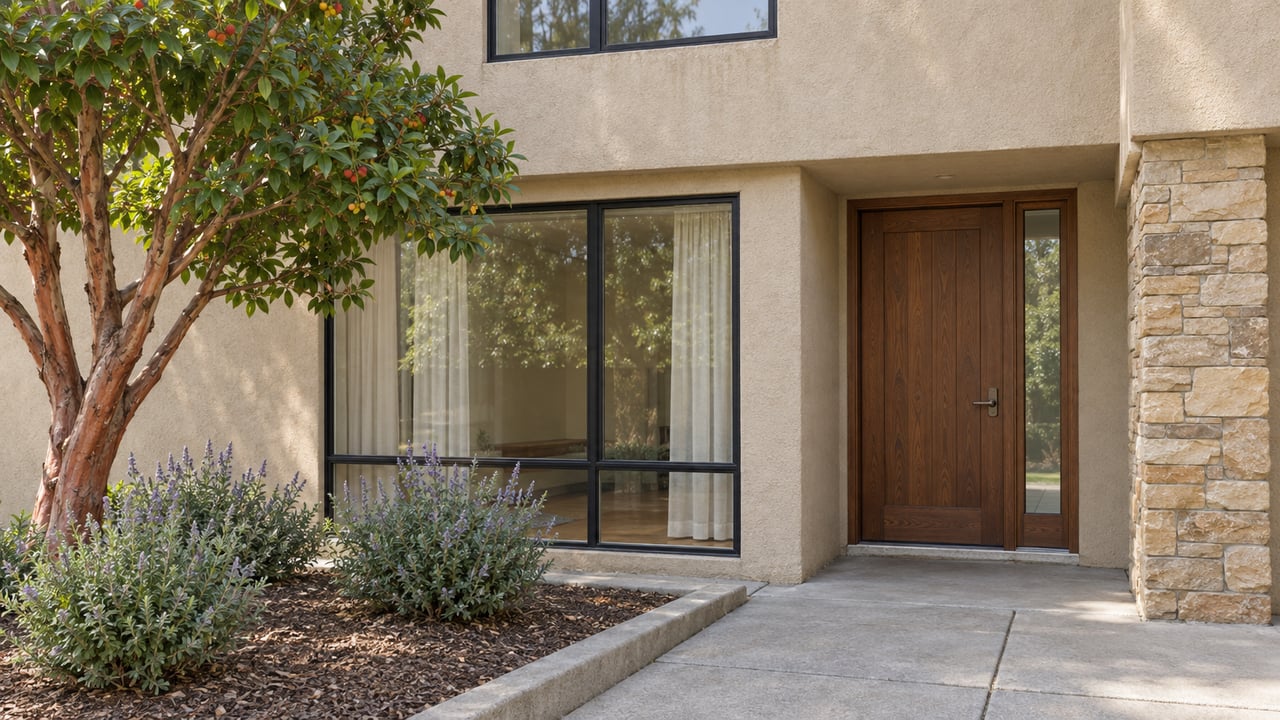
- Touch up the front door and exterior paint. Your front door works like a necktie for your home — make it a welcoming, well-coordinated “Hello”.
The more of these boxes you check, the more of the widest possible pool of buyers will respond to the home. As they say, it’s a numbers game, and you want your numbers as high as possible.
Developing the right open house strategy for a specific home should be done on a house-by-house basis, just like the larger marketing plan. For individual advice tailored to your home, reach out and we’ll build your own game plan together.
Open House Etiquette: What Every Agent Owes the Seller
Whatever happens inside or outside the home, here’s what separates a serious open house from a half-hearted one — and it’s a clear signal of an agent’s professionalism:
- Signage should lead visitors directly to the home along a well-traveled route, not just sit in front of it. More lines in the water means more fish. More signs in the neighborhood means more visitors. And the more see it, the greater the chance that more people will want to buy it.
- The open house should be advertised well in advance online, on the MLS, and on a rider above the For Sale sign, with the days (and even hours most of the time) clearly listed.
- The agent should arrive early — planning to arrive early is the only reliable way to ensure you will arrive on time.
- The agent should stay for the full advertised window, no matter the turnout. Serious open house visitors often plan their day around several listings, and being reliable is part of being a professional.
- Respect the owner’s home: note which lights were on, which doors were locked, and which windows were open, and restore all of it — lights off, doors locked — before leaving.
- Give the seller honest feedback afterward: how many people attended, and what they said. That’s the raw data for any adjustments to the marketing plan going forward.
Final Thoughts: Why Days on Market Still Matters
At the end of the day, open houses remain one of the more efficient ways to get real, qualified buyers physically inside a home for sale. Are they easy? No. Are they foolproof? No. Do they take real commitment and skill to run well? Absolutely.
The alternative has always felt a little like sitting around waiting for the phone to ring.
In hundreds of open houses — homes, condos, high-end properties, and starter homes alike — nearly every buyer asks some version of the same two questions: “What is the asking price?” and “How long has it been on the market?”
Those two questions tell you what buyers are really thinking: can they afford it, and how many people have already passed on it. The longer a home sits, the more buyers assume something is wrong, whether or not that’s true — and the harder it becomes to get full asking price. Anything that shortens a home’s Days on Market works in the seller’s favor.
Today’s listings are viewed almost instantly by hundreds of thousands of people around the world the moment they hit the market. Buyers can see photos, pull school reports, and check square footage before they ever set foot inside. But eventually, the buyer who’s genuinely drawn in by that online presentation will want to see the home in person — every brick and board.
While a new listing might get fifteen or twenty private showings across its first couple of weeks, it’s not unusual for a single well-run open house to draw thirty visitors in one afternoon. I like having the odds in my favor!