You have already seen the number. Zillow puts the average Martinez home value at $801,754 as of late June 2026, down 2.8% year over year. Movoto's June 2026 median list is $843,000. Homes.com pegs the median at $779,500. Round it however you like. It is roughly an $800,000 town.
That number is the least useful data point in a Martinez house hunt. The 94553 ZIP contains at least four sub-markets whose medians differ by more than $300,000, and two of them are moving in opposite directions this year. Price your offer to the citywide figure and you will overpay in one pocket, get outbid in another, and miss the pocket where the trend line has already flipped.
Start with the money that never shows up in a listing
Before the neighborhood question, price the friction that a portal will not.
Redfin and First Street data show 89% of Martinez properties carry some wildfire risk over the next 30 years, and California carriers have continued to restrict writing in fire-exposed counties, pushing more buyers onto the California FAIR Plan at materially higher premiums. Those dollars never appear in a median-price statistic, but they reduce lender-qualified budgets one for one and tighten underwriting on the back end. A buyer approved at $850,000 in a low-risk market may pencil at closer to $800,000 in Martinez once a real insurance quote lands.
Downtown adds a second line item. First Street rates 33% of Downtown Martinez properties at severe flood risk over 30 years, which shows up in some lender's flood-insurance requirements and, occasionally, in an appraisal note that stalls closing. Neither of these facts should scare a buyer off. They should sit on the affordability worksheet before the first tour, not after the first offer.
Four sub-markets, four different stories
The homes people call "Martinez" break into roughly four buckets. Ranges below are medians over the trailing 12 months from Redfin and Homes.com neighborhood-level data, cross-checked against the 12-month citywide sales count of 449 and the 3-month countywide Redfin median of $837,000 through May 2026.
Vine Hill: the $675K bench
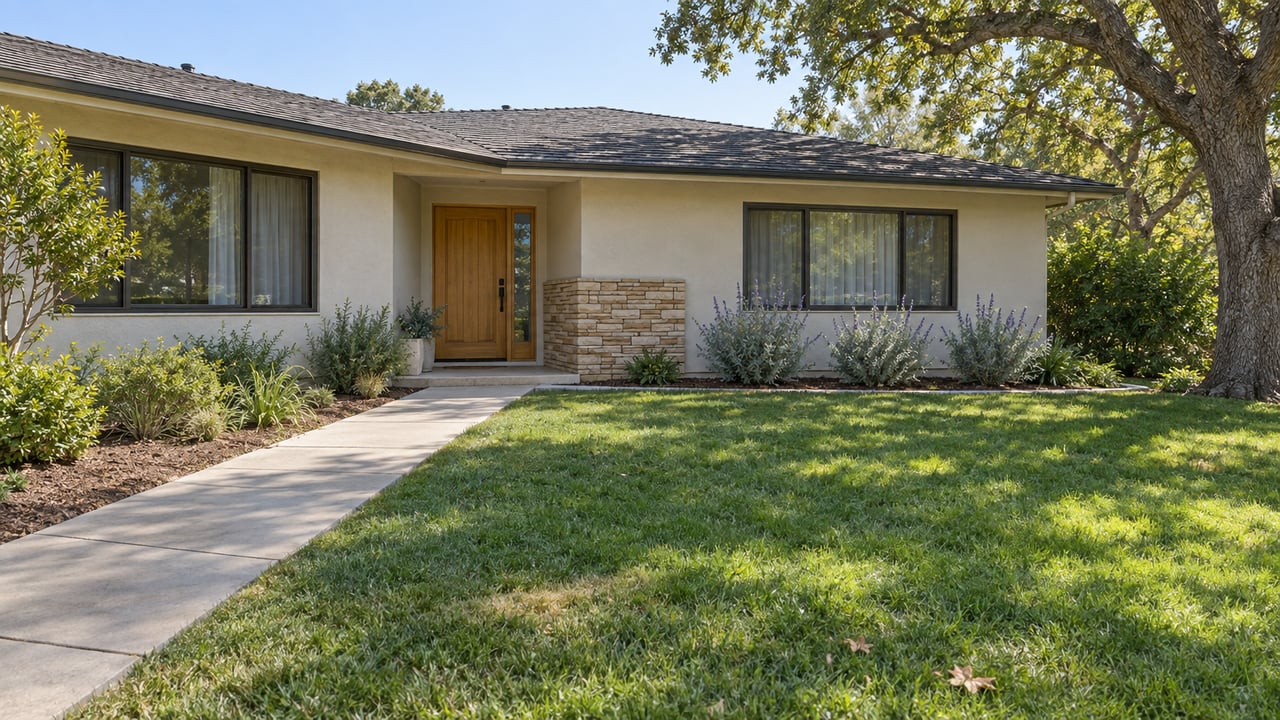
Vine Hill's trailing-12-month median sits around $675,000 to $690,000, down 4 to 9% year over year, with a 23-day average time to sale. The housing stock is largely flat-top ranchers from the 1950s and later bi-level homes on cul-de-sacs off Pacheco Boulevard, with Waterbird Regional Preserve and Martinez Shoreline Park within a short drive. It is also the sub-market closest to the Marathon and PBF refineries along the northern border, which is part of why the price sits where it does and why insurance quotes come in higher here than the ZIP-level average.
For a buyer who wants a single-story home in Martinez under $700,000, Vine Hill is the only pocket where that is a normal search rather than a lucky hit.
Downtown: the pocket that already turned
Downtown Martinez is the surprise. Redfin's three-month window ending May 2026 shows a median sale price of $780,000, up 25.8% versus the same three months a year earlier, with homes moving in 17 days. Only five homes traded in May, so the percentage should be read with a small-sample asterisk, but the direction has been consistent for two quarters.
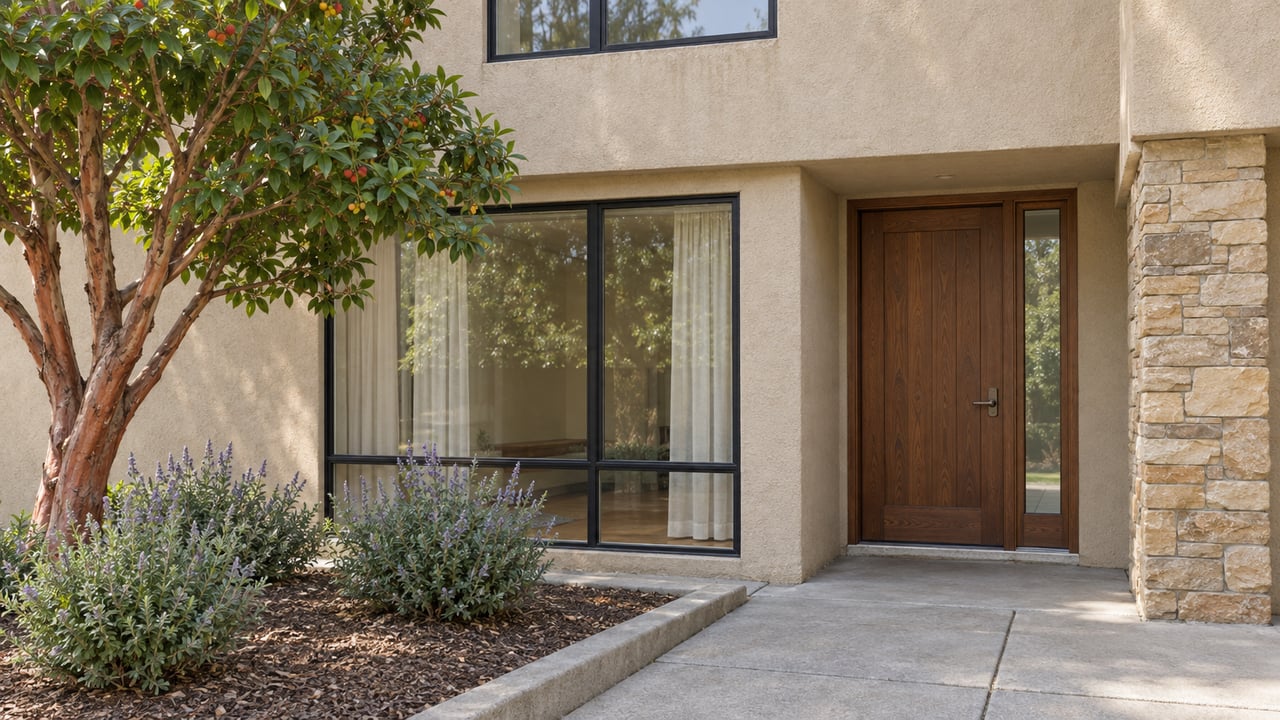
The stock here is historic Craftsman and Spanish Revival, walkable to the Amtrak platform, the year-round farmers market, and the waterfront. If a buyer has been waiting for Martinez to "come down," Downtown is not the sub-market where that story is playing out.
Alhambra Hills: the million-dollar shelf
Homes.com puts the Alhambra Hills 12-month median between $960,500 and $1,035,000 depending on the cut, up 4 to 12% year over year, with average time to sale in the low 30s. Single-family listings range roughly $900,000 to $2,000,000, with a townhouse and condo tier between $600,000 and $800,000 for buyers who want the address without the acreage.
The draw is the location against Mt. Wanda, the John Muir National Historic Site, and Briones Regional Park, plus nearer-in amenities at Nancy Boyd Park, Hidden Lakes Park, Muir Station, and Virginia Hills Shopping Center. The trade is a nearly car-dependent street pattern and, in the western hillside sections, the higher end of the wildfire-insurance conversation above.
Alhambra Valley: the acreage tail
Alhambra Valley is where the top of the Martinez price distribution lives. Recent sales along Alhambra Valley Road and nearby lanes include a 4,078-square-foot home at 648 Vine Hill Way that closed at $2,400,000 in March 2026. Lots are commonly a half-acre to a full acre, sale volume is thin, and days on market run longer than the city average because the buyer pool is narrower.
Buyers who need the words "acre," "ADU potential," or "views" in the search are almost always ending up here, and pricing an offer against a citywide median is particularly misleading in this pocket.
What the divergence actually means for an offer
A single view of the sub-market spread:
| Sub-market | Trailing 12-mo median | YoY direction | Typical stock | Time to sale |
|---|---|---|---|---|
| Vine Hill | ~$675K–$690K | Down 4–9% | 1950s ranchers, bi-levels | ~23 days |
| Downtown | ~$780K (3-mo) | Up 25.8% | Craftsman, Spanish Revival | ~17 days |
| Alhambra Hills | ~$960K–$1.03M | Up 4–12% | Midcentury ranches, Craftsman | ~30–33 days |
| Alhambra Valley | Wide, into $2M+ | Thin sample | Acreage, hillside | Longer than city avg |
Read the columns side by side and the citywide -2.8% figure stops being a market signal and starts looking like an average across two markets moving in opposite directions. A Vine Hill seller planning around "Martinez is up 10% this year" will sit. An Alhambra Hills buyer offering 3% under list because "prices are softening" will lose the house.
The practical translation is that comps at the sub-neighborhood level, pulled inside a half-mile and inside 90 days, are the only comps that matter here right now. City-level and county-level medians are context, not price signals.
Why so little is coming up for sale
The other question a buyer asks in Martinez this summer is why there is not more to look at. The answer sits upstream of the local market.
California's Legislative Analyst's Office reports that roughly 77% of California homeowners hold mortgage rates below 5%, against a market rate near 6.5%. Freddie Mac's 30-year fixed averaged 6.49% in June 2026 and climbed to 6.58% by July 23. A Martinez owner who bought or refinanced during the low-rate years faces a payment roughly 11% higher on a comparable replacement home at today's rates, which is the single largest reason listings sit thinner than demand would suggest.
That lock-in effect concentrates the listings that do exist into households moving for reasons that override the math: estate sales, downsizes, out-of-area relocations, and owners who have already paid down enough principal that the rate delta stops mattering. In practice, that means the Martinez homes actually reaching the MLS this summer skew toward long-held family properties in Vine Hill and Alhambra Hills, and toward downtown Craftsmans owned by sellers whose plans have moved on. Which is, not coincidentally, exactly the mix behind the sub-market numbers above.
FAQ
Is Martinez a buyer's market or a seller's market right now?
Both, in different ZIP quadrants. Vine Hill is softer than it was a year ago and rewards a patient buyer with a real inspection budget. Downtown is running hot on a small sample. Alhambra Hills is steady with modest appreciation. The county-wide Redfin figure of $837,000 through May 2026, up 2.1% year over year, is closer to the Alhambra Hills experience than the Vine Hill one.
How much should I add to my monthly budget for insurance in Martinez?
There is no single number, because carrier appetite is changing quarter to quarter and premiums vary by parcel, roof age, defensible space, and distance to the wildland interface. The right move is to pull a real quote, including a FAIR Plan quote as a backstop, before you write an offer, not after. On a hillside Alhambra Hills parcel the annual figure can be several multiples of what a comparable inland home would pay.
Does the refinery proximity actually affect resale in Vine Hill?
It is one input among several. Vine Hill's price bench reflects the industrial neighbors, the older ranch stock, and the school-assignment mix in that part of the city. Buyers who care about the refinery question tend to sort themselves out early, which is part of why days on market in Vine Hill are shorter than in Alhambra Hills despite the lower prices.
Is Downtown Martinez's 25.8% jump real or a small-sample fluke?
Both. Five sales in May 2026 is a thin base, so the exact percentage will move. The direction has held across the last two rolling three-month windows, which is longer than a fluke usually lasts. The safer read is that Downtown is genuinely repricing upward as walkable Craftsman inventory tightens, and the exact slope of that line will settle later in the year.
Is now a good time to sell in Martinez?
It depends on which Martinez. A well-prepared Downtown Craftsman or a turnkey Alhambra Hills single-story is meeting real demand at real prices. A Vine Hill home that needs work, priced against last spring's comps, is likely to sit. Preparation, pricing to the correct sub-neighborhood, and a clear read on the buyer pool matter more than the month on the calendar.
The Martinez market rewards buyers and sellers who work at the block level rather than the city level. If you would like a candid read on your specific block, your specific insurance exposure, and what a realistic offer or list price looks like this quarter, Robert Lilley and Lisa are happy to sit down and walk through it. Schedule a consultation and bring your questions in writing.